Sudan’s Hunger Crisis Deepens as War Cuts Off Food, Aid and Livelihoods

INTERNATIONAL
🗞📰By AmolatarNewsCast
Khartoum, Sudan | Sudan’s devastating war is pushing millions of civilians further into hunger as fighting, mass displacement, disrupted markets and shrinking humanitarian assistance continue to undermine access to food across the country.
The World Food Programme (WFP) estimates that nearly 19.5 million people are experiencing crisis-level hunger, with some communities facing catastrophic food shortages and areas remaining at risk of famine.
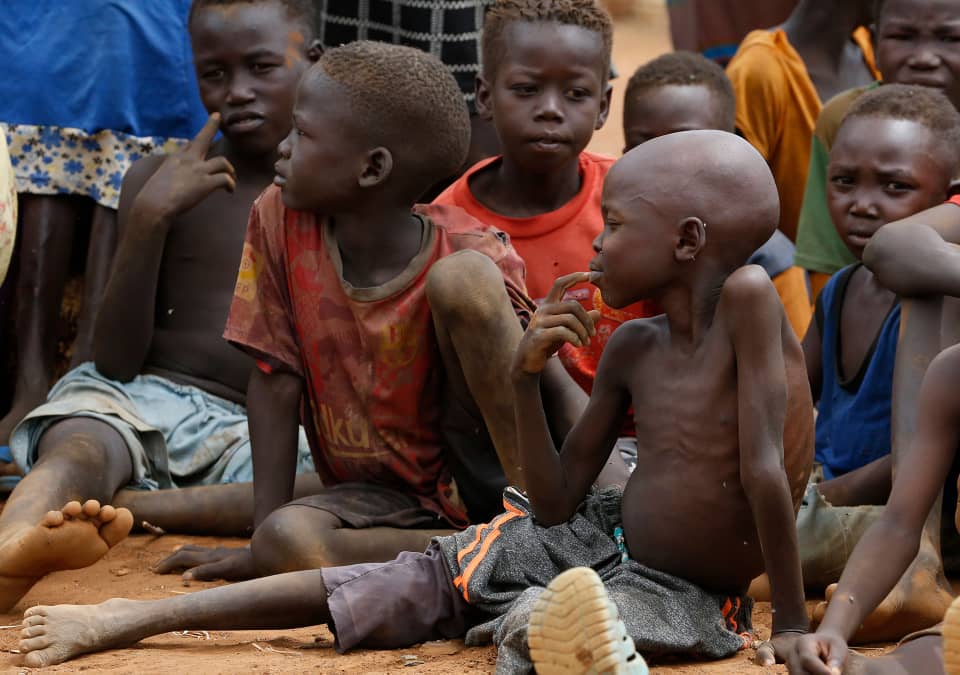
Children are among the hardest hit. WFP estimates that approximately 825,000 children under the age of five could suffer severe acute malnutrition in 2026, highlighting the scale of the unfolding humanitarian emergency.
The food crisis is closely linked to the war between the Sudanese Armed Forces (SAF) and the Rapid Support Forces (RSF), which erupted in April 2023 and has displaced millions of people.
For families trapped in conflict-affected communities, finding enough food has become a daily battle.
One displaced resident, identified as Fatima Ali, told the Sudanese Ain Network that three of her children had experienced malnutrition for more than two months. She said the family’s limited income was no longer enough to meet basic food needs.
Ali, who lives in Haj Youssef, east of the Nile, said continuing violence had severely disrupted health and humanitarian services in the area.
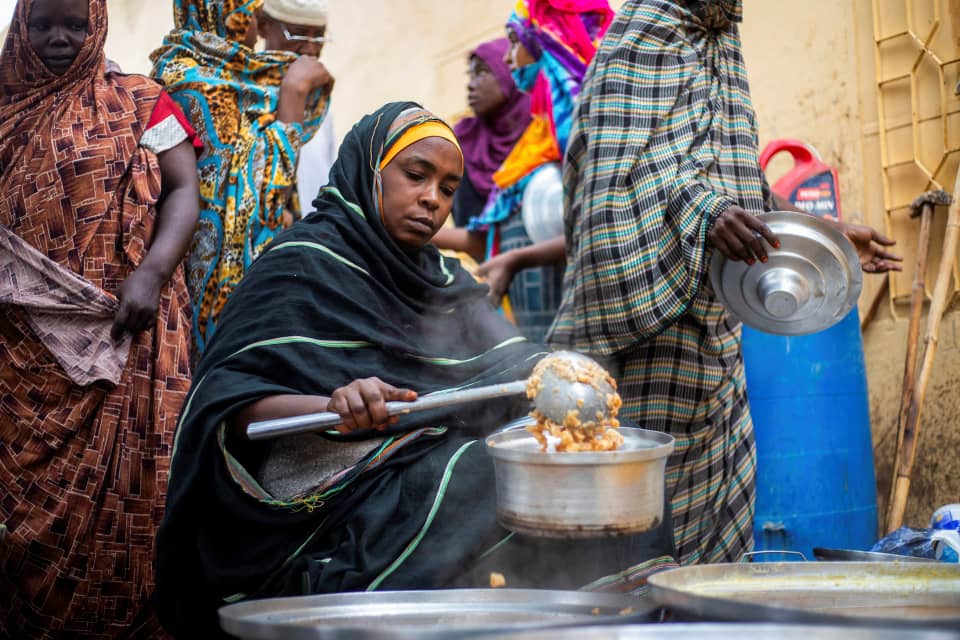
Community kitchens had become a crucial lifeline for residents, she said, but many have reportedly closed because of inadequate funding, leaving poor and displaced families with even fewer options for obtaining meals.
Millions caught between war and hunger
The situation reflects a much broader humanitarian emergency. Across Sudan, displaced families are struggling to secure food, clean water, shelter and healthcare while many have lost homes, jobs, farms and other sources of income.
During an eight-day visit to Sudan, WFP Acting Executive Director Carl Skau described the country as facing one of the world’s largest hunger and displacement emergencies.
Skau said he met both people who had endured displacement for years and newly displaced families who had travelled for days in search of safety.
He also encountered women attempting to rebuild their lives after losing relatives and livelihoods, while some communities faced long waits for increasingly scarce water supplies.
Aid shortages threaten vulnerable communities
Humanitarian organisations are facing another major obstacle: a severe shortage of funding.
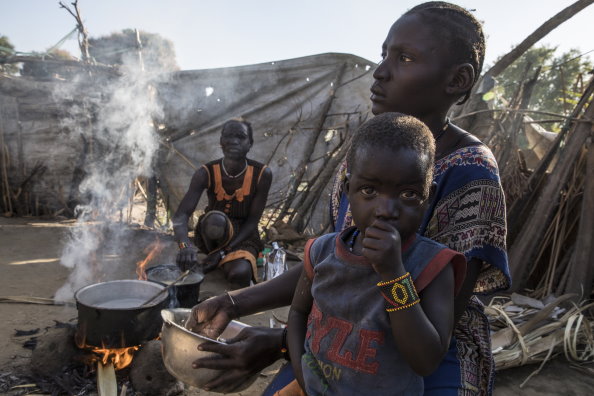
WFP says it currently assists more than four million people every month, but dwindling resources are forcing the agency to reduce food assistance for conflict-displaced populations inside Sudan and in neighbouring countries.
The agency has said it requires approximately $579 million to maintain its Sudan emergency operations through October 2026.
Aid agencies warn that further reductions could undermine progress made in communities where food assistance has helped prevent famine and severe malnutrition.
Restrictions on food movement raise concerns
The availability of food has also been affected by restrictions on the movement of essential commodities in some parts of Sudan.
According to reports by the Sudanese newspaper Ain Al-Haqiqa, authorities in several states introduced measures limiting the movement of goods towards areas controlled or influenced by the RSF.
The publication reported that Northern State Governor Lt Gen Abdul Rahman Abdul Hamid Ibrahim issued an emergency order in November 2025 restricting the transportation of goods from Northern State towards parts of Kordofan and Darfur where RSF forces were present.
The reported measures included possible imprisonment, financial penalties and confiscation of goods and vehicles for violations.
Similar restrictions were later reported in Khartoum and North Kordofan, affecting commodities such as flour, sugar, rice, cooking oil and fuel.
Political and civil society groups have criticised such measures, arguing that restricting essential supplies could further burden civilians already struggling with the consequences of war.
Conflict blocks humanitarian access
Insecurity is also preventing humanitarian organisations from reaching some of the communities facing the greatest needs.
WFP previously warned that conditions around El Obeid in North Kordofan were deteriorating rapidly as fighting and new displacement placed additional pressure on food, water and other essential services.
The agency reported that clashes and drone attacks had restricted humanitarian movements and prevented assistance from reaching an estimated 200,000 people in June.
WFP has further warned that prolonged funding shortages could reverse improvements achieved in areas where humanitarian food assistance had reduced famine risks.
Beyond direct fighting, disruptions to imports and supply routes have contributed to rising prices for food, fuel and agricultural inputs such as fertiliser, making it increasingly difficult for households and farmers to maintain their livelihoods.
Chemical weapons allegations add to international concern
Sudan’s humanitarian emergency has unfolded alongside allegations of serious violations of international law.
The United States has previously accused Sudanese authorities of using chemical weapons, allegations that Sudan has rejected.
A September investigation by The Washington Post, based on documents, videos, messages and assessments from intelligence officials, chemical-weapons inspectors and specialists, reported evidence it said pointed towards an alleged chemical-weapons programme involving Sudanese government forces.
Sudanese officials denied the allegations, saying chlorine stocks in the country were intended for legitimate purposes, including water purification, industrial activities and energy production. They also said Sudan was prepared to have the stocks inspected by an appropriate international body.
The newspaper said experts considered the material it reviewed credible evidence warranting concern, while acknowledging that definitive verification would require access to suspected sites and witnesses.
Civilians remain at the centre of the crisis
Despite the competing military and political developments, the most immediate concern for millions of Sudanese civilians remains basic survival.
Families displaced by fighting continue to search for food, clean water and shelter, while humanitarian organisations struggle to maintain assistance amid insecurity, restricted access and inadequate funding.
The WFP has repeatedly stressed that addressing Sudan’s hunger emergency will require an end to hostilities, safe and sustained humanitarian access and sufficient international funding.
Without those conditions, aid agencies warn that the combination of conflict, displacement, disrupted food supplies and declining assistance could push even more Sudanese families towards catastrophic hunger.