Uganda Plans to Limit Lower Primary Learning to Three Hours Under New Curriculum

EDUCATION
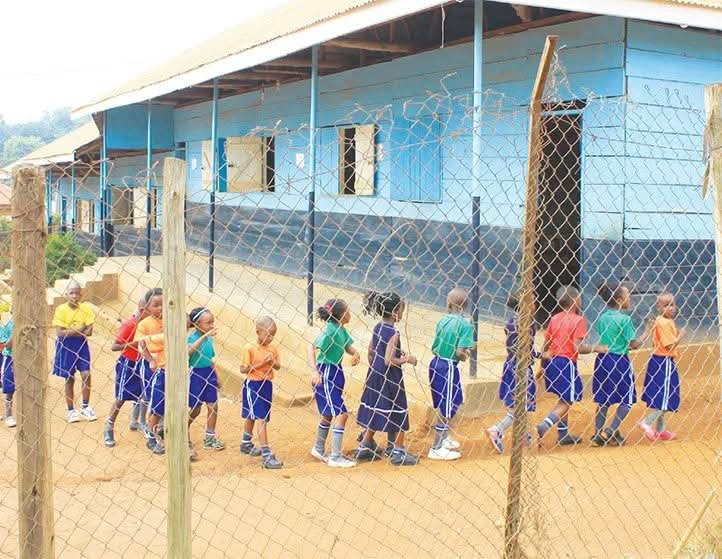
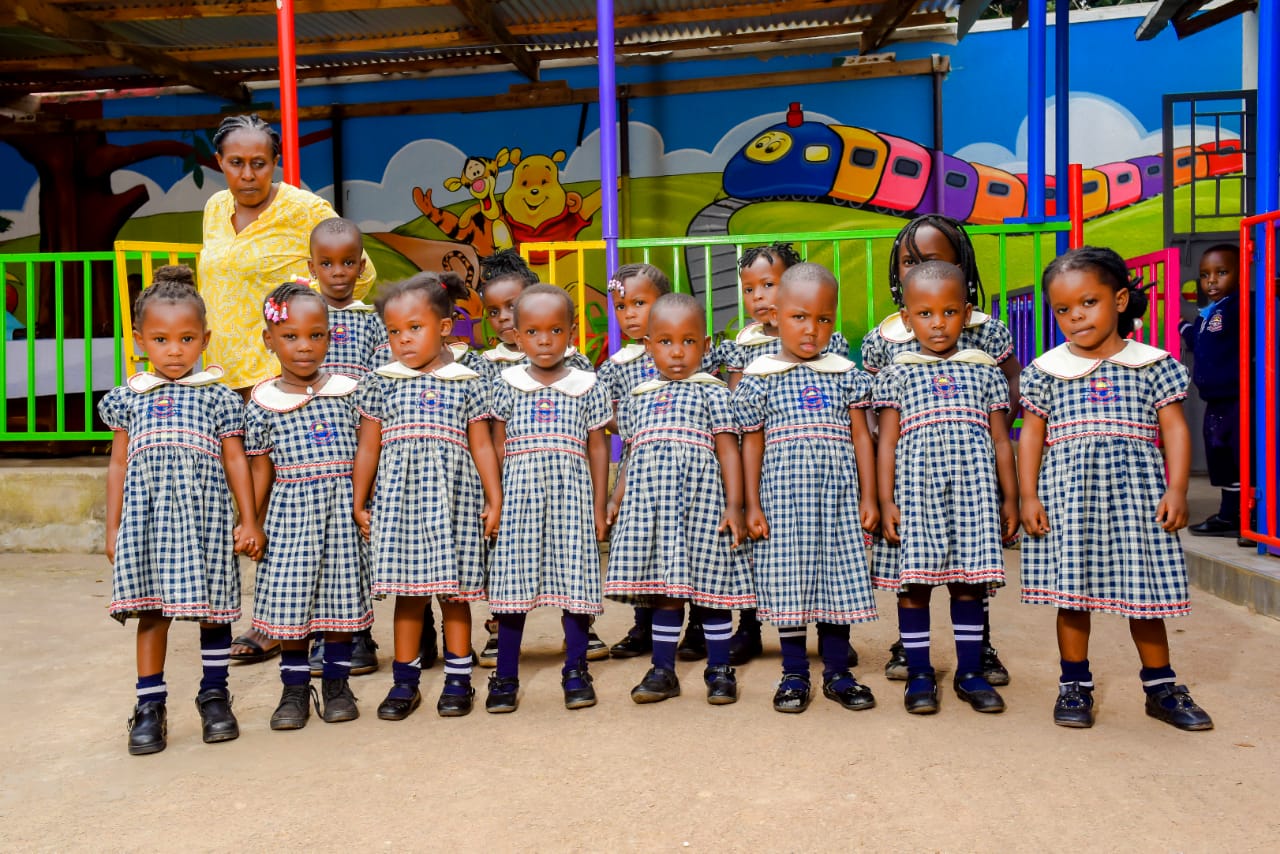
Kampala, Uganda — The Government is planning to significantly reduce structured learning hours for young pupils under Uganda’s new competency-based curriculum (CBC), with the youngest learners expected to spend no more than about three hours a day in structured classroom activities.
The new curriculum, which is expected to be introduced in lower primary from 2028, is designed to align schooling with the physical, cognitive, language, social and emotional development of young children.
Dr Patrice Ssembirige, Acting Director of the National Curriculum Development Centre (NCDC), said the proposed approach would ensure that children are not subjected to unnecessarily long hours of formal learning.
According to Ssembirige, children aged 3–4 years should have a maximum of about two hours of structured engagement, while learners aged 5–6 years could spend approximately three hours in structured learning activities.
He said lessons for young children should also be broken into short sessions, with learners engaged for approximately 15 to 30 minutes at a time before moving to other activities.
Ssembirige argued that young children should not be treated as “miniature secondary school students,” stressing that their educational needs differ significantly from those of older learners.

He questioned the need for very young children to report to school extremely early, saying the new curriculum would place greater emphasis on age-appropriate learning and holistic development.
The CBC is expected to shift lower primary education away from prolonged classroom instruction towards more practical, interactive and child-centred learning.
Education authorities say the proposed changes are intended to create an environment where children can learn effectively while also having sufficient time for play, social interaction, physical development and other activities essential to early childhood development.
The planned 2028 rollout is therefore expected to bring significant changes to how lower primary schools organise their daily programmes, teaching methods and learning activities.