Akori demands inclusion of former LRA fighters in Government livelihood programmes

LOCAL
Gulu city, Uganda | Minister of state for northern uganda, hon. beatrice akello akori, has urged the government to ensure that former lord’s resistance army (lra) combatants and communities severely affected by the region’s conflicts are deliberately incorporated into ongoing recovery and poverty-reduction programmes.
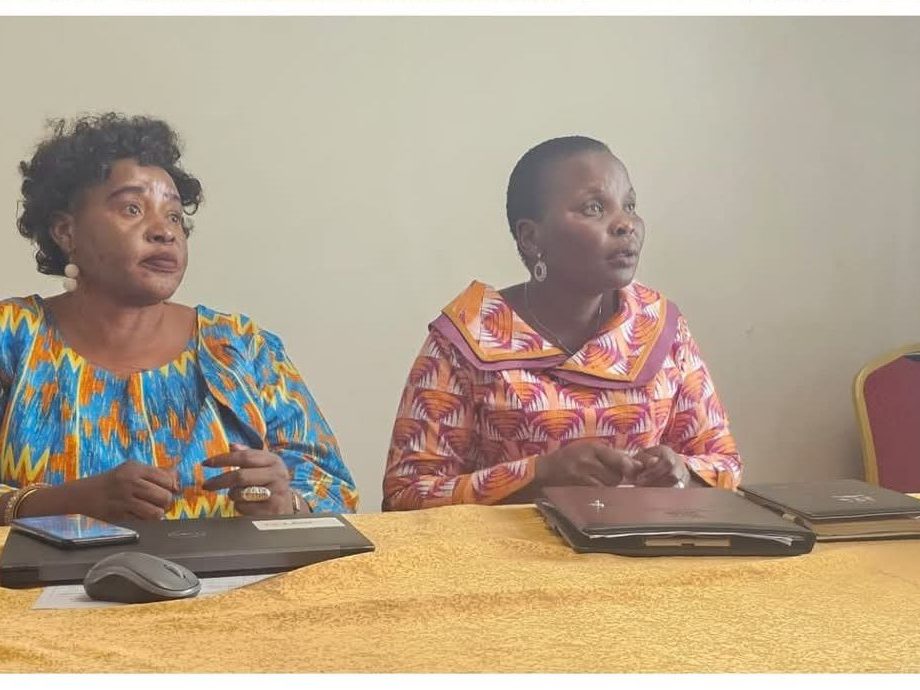
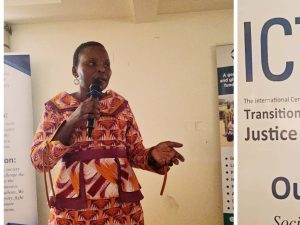
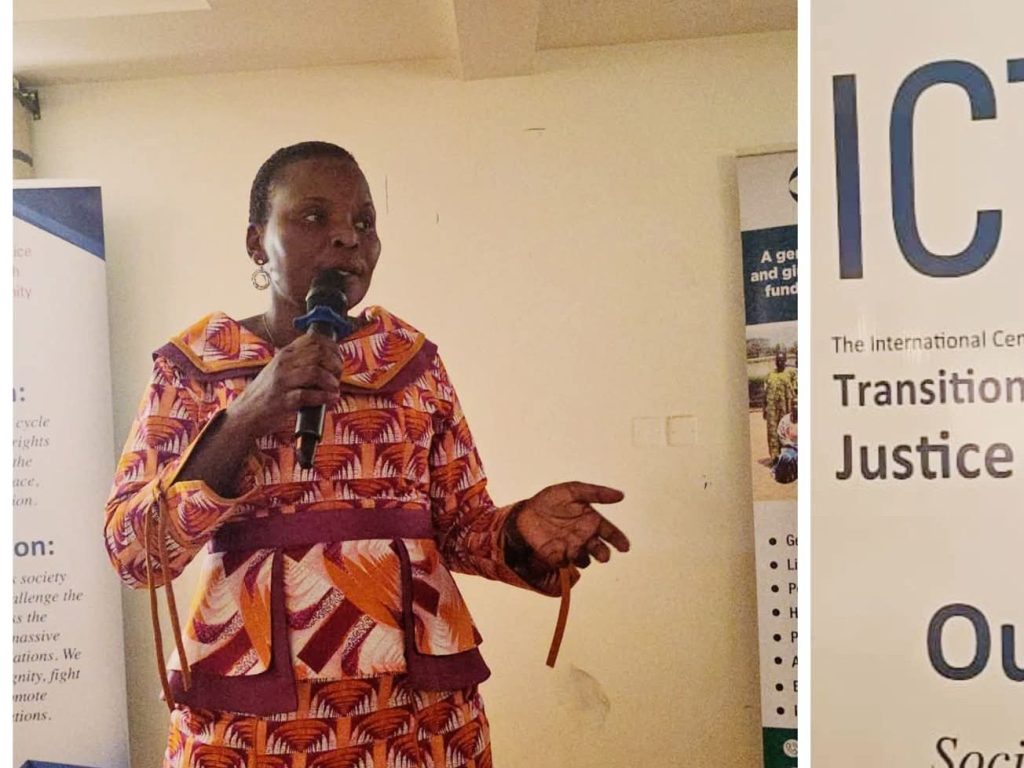
akori made the call in gulu city during a stakeholder workshop organised by the international center for transitional justice (ictj) in partnership with gwed-g, bringing together actors working on transitional justice, accountability, rehabilitation and the recovery of communities affected by years of conflict.
the minister said northern uganda’s recovery cannot be considered complete if sections of the population who experienced displacement, violence, loss of property and disruption of livelihoods remain excluded from government development opportunities.
she pointed to the continued challenges faced by former lra combatants and returnees, saying rehabilitation must go beyond their physical return to communities and should include meaningful economic support that enables them to establish sustainable livelihoods.
according to akori, 65 former lra combatants are currently undergoing rehabilitation in gulu, with the process being followed through the office of the prime minister (opm).
she said the government and its partners should use existing programmes to create opportunities for eligible former combatants and other conflict-affected people to participate in income-generating activities, enterprise development and community-based livelihood initiatives.
akori noted that northern uganda continues to experience the long-term effects of armed conflict and cattle rustling, which caused deaths, displacement, destruction of homes and public infrastructure and interrupted economic activities across communities.
she said the consequences of the conflict contributed to high levels of poverty and vulnerability, making sustained government investment necessary to strengthen household incomes and community resilience.
over the years, government has introduced several interventions targeting recovery and development in the region, including the peace, recovery and development plan (prdp), the northern uganda social action fund (nusaf) and cattle-restocking initiatives.
akori also highlighted nusaf iv, which is intended to strengthen livelihoods and improve the capacity of vulnerable households and communities to withstand economic and social shocks.
she said these interventions should reach people who were directly affected by the conflict, including former combatants, returnees and other vulnerable members of war-affected communities.
the minister said the office of the prime minister is expected to strengthen cooperation with organisations such as gwed-g and ictj in identifying eligible beneficiaries and linking them to appropriate government livelihood opportunities.
she said such collaboration would help ensure that people who have historically remained outside mainstream development programmes are identified and supported through transparent mechanisms.
akori encouraged former combatants and other potential beneficiaries to form organised enterprise groups, arguing that collective organisation could make it easier for them to participate in government-supported economic programmes.
she also stressed the importance of transparency during beneficiary identification and selection.
the minister warned against corruption and political manipulation in the distribution of livelihood opportunities, saying local leaders and government officials must ensure that support reaches the intended beneficiaries.
she said resident district commissioners (rdcs) and resident city commissioners (rccs) would have an important role in coordinating and monitoring implementation at the local level.
akori further encouraged former combatants and other war-affected residents to take advantage of available government interventions by engaging in productive enterprises rather than depending solely on handouts.
she said livelihood support should enable beneficiaries to develop businesses and other income-generating activities capable of supporting their families over the long term.
the minister’s remarks come as northern uganda continues to address the social and economic consequences of decades of armed conflict, with government agencies and civil society organisations pursuing different approaches to rehabilitation, reconciliation, accountability and economic recovery.
for akori, successful recovery requires a broad approach that combines social reintegration with economic empowerment.
she called for continued cooperation between government institutions, civil society organisations, local leaders and affected communities to ensure that recovery programmes respond to the realities of people who experienced the conflict.
the office of the prime minister has continued to coordinate interventions targeting the resettlement, rehabilitation and socio-economic support of former lra combatants, returnees and other communities affected by conflict in northern uganda.