
Serere Fishermen demand clarity as fishing enforcement sparks confusion over legal fishing

FISHING
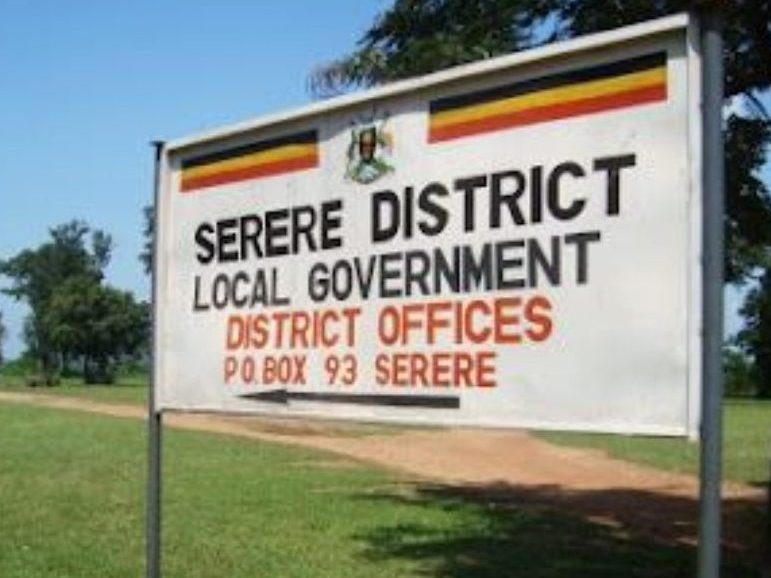
Serere,Uganda | Fishing communities in Serere District are calling for an urgent meeting with fisheries authorities to clarify the rules governing fishing, fish transportation and the number of boats allowed at individual landing sites amid intensified enforcement against illegal fishing on Lake Kyoga.
The concerns come as enforcement operations continue to target prohibited fishing methods and gear, with fishermen and fish traders saying uncertainty over the regulations is making it difficult for some operators to distinguish between legitimate fishing activities and offences.
The controversy has also revived longstanding concerns about enforcement and alleged exploitation of fishermen by individuals who take advantage of gaps in information about fisheries regulations.
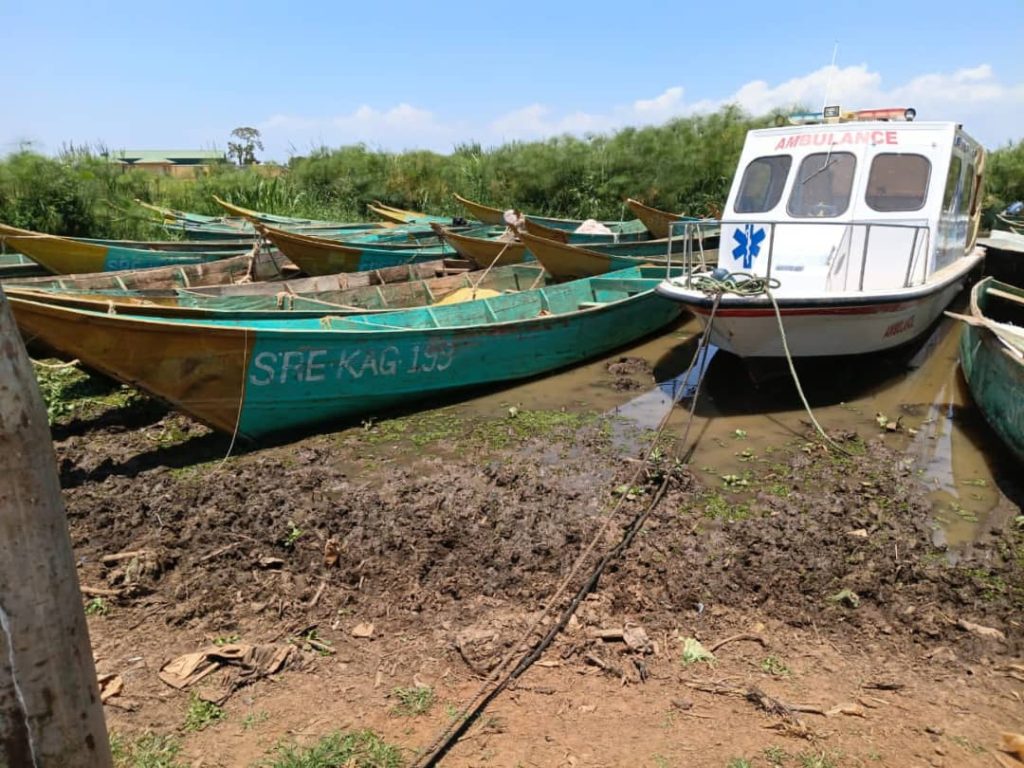
Available fisheries legislation indicates that Uganda’s policy is based on regulating and controlling fishing rather than simply stopping all fishing activities.
Under the Fisheries and Aquaculture Act, fisheries activities require the relevant licence or permit, while the Chief Fisheries Officer is empowered to control entry into fisheries resources and determine the maximum fishing effort in particular districts based on available scientific information.
The law further allows regulations to determine fishing methods, fishing gear, boat standards, the number of boats and nets, closed areas and seasons, and restrictions on the size, amount and weight of fish that may be caught, retained or traded.
The Directorate of Fisheries Resources also lists the Fish (Fishing) Rules, fisheries licensing guidelines and other regulations among the official instruments governing the sector. Its mandate includes regulating fishing activities, licensing vessels and fishing gear, enforcing fisheries standards and creating awareness among fishing communities.
This means that fishermen operating legally still have to comply with several requirements beyond simply catching mature fish.
One of the questions being raised by fishermen and fishmongers concerns the arrest or interception of people transporting fish that they describe as mature.
However, under the Fisheries and Aquaculture Act, the legality of transported fish is not determined by size alone.
The law requires a person moving fish or fish products for purposes of trade to have a valid fish movement permit issued by the District Fisheries Officer. The permit is required to be carried and produced when demanded by authorised officers.
Official fisheries guidance also states that fish intended for commercial trade should be landed at approved or gazetted landing sites, inspected by fisheries officials and, where applicable, accompanied by the necessary movement documentation.
Consequently, a trader carrying mature fish could still face enforcement action if other legal requirements such as licensing, the landing location, documentation, authorised fishing gear or the source of the fish are not complied with.
What remains unclear to some fishermen in Serere is how these requirements are being applied on the ground, and authorities are being asked to explain the rules in simple and consistent terms.
Fishermen are also seeking clarification over the number of boats permitted to operate from individual landing sites.
Some operators reportedly cite cases where a landing site was initially associated with a substantially larger number of boats before the number was reduced following a vetting exercise.
The Fisheries and Aquaculture Act gives the regulatory authorities powers to prescribe boat standards and sizes for particular water bodies and to prescribe the number of boats that may be operated by a person or company. It also allows regulations to limit fishing effort in particular areas.
The legislation therefore provides a legal basis for regulating fishing capacity, but fishermen want authorities to explain the specific criteria used to determine the allocation for each landing site, including whether the limits are based on scientific assessments, available fishing grounds, registration, licensing, historical fishing capacity or other factors.
They also want the official directives governing their particular landing sites made publicly available.
The current concerns come against a background of several enforcement actions and disputes in the Serere section of Lake Kyoga.
In June 2026, Fomer fisheries State Minister Hellen Adoa ordered the closure of five landing sites in Serere — Ateese, Agule, Olupe, Onyara and Alos — following violence involving fishing communities from Serere and Pallisa and allegations concerning illegal fishing gear. The minister said the sites would be reopened after engagement with the affected fishing community.
Earlier, in May 2026, Two people were arrested at Kagwara Landing Site after allegedly impersonating security personnel and soliciting money from fishermen. According to the report, the suspects allegedly promised fishermen protection and permission to use undersized fishing gear. The Serere RDC said one of the suspects had also allegedly been involved in roadblocks targeting people dealing in fish.
The case has reinforced concerns about the need for fishermen to know exactly who is authorised to enforce fisheries regulations and which payments, permits and procedures are legally required.
Concerns about enforcement in Serere are not entirely new.
In 2024, Fishermen in the district had raised allegations against UPDF marine personnel attached to the Fisheries Protection Unit, including claims that confiscated illegal fishing equipment was being resold. Fisheries officials said investigations were ongoing at the time, while some of the alleged incidents were said to have occurred several years earlier.
Earlier reporting also documented the scale of illegal fishing enforcement in Serere, including the confiscation of boats and fishing nets and complaints from residents about the economic consequences of the enforcement operations.
These reports do not establish that current enforcement officers are engaged in wrongdoing, but they demonstrate why transparent procedures and regular communication between authorities and fishing communities remain important.
Fishing remains an important economic activity for communities around Serere and the wider Lake Kyoga basin. District planning documents have previously identified fishing as a major livelihood activity while also pointing to overfishing, excessive fishing effort and illegal fishing methods as factors contributing to declining fish stocks.
Fishermen now want the Ministry of Agriculture, Animal Industry and Fisheries, the Fisheries Protection Unit, the District Fisheries Department and Serere district leadership to hold a joint meeting at the major landing sites.
Among the issues they want addressed are:
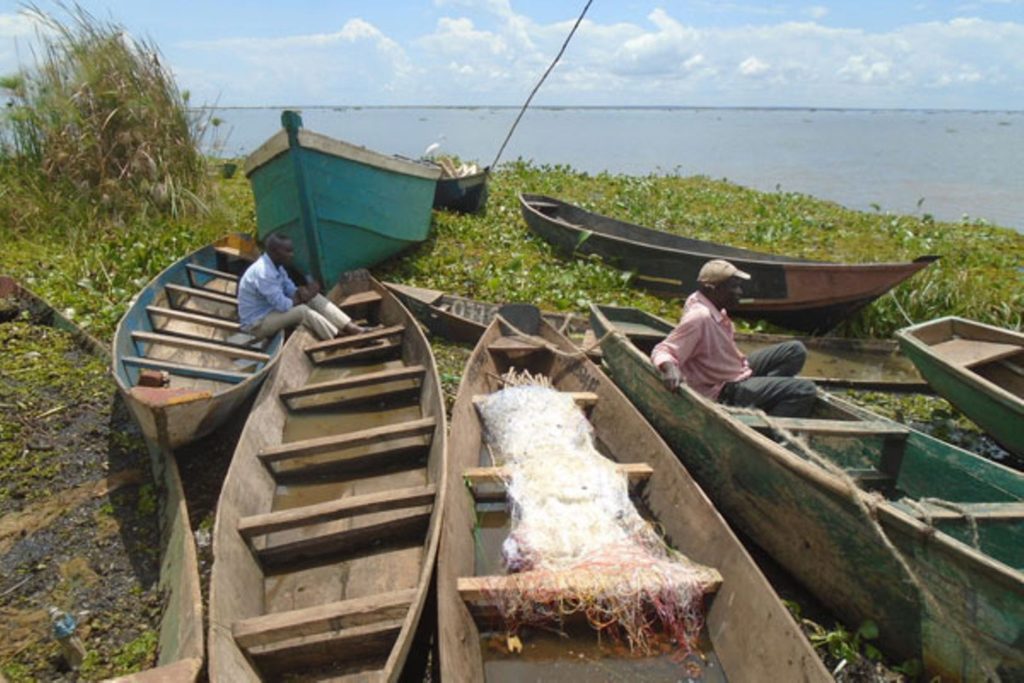
- the exact fishing methods and fishing gear currently permitted;
- the minimum legal requirements for fishing vessels and fishermen;
- the rules governing mature fish and fish transportation;
- when and where a fish movement permit is required;
- the official number of boats authorised at each landing site;
- the criteria used during boat and fisherman vetting;
- the circumstances under which a landing site can be closed;
- the identity and powers of authorised enforcement officers; and
- mechanisms for reporting alleged extortion or impersonation.
The Directorate of Fisheries Resources itself identifies public awareness of fisheries legislation, regulations and standards as one of its functions.
For fishing communities, the demand is therefore not simply for an end to enforcement. Rather, fishermen want the rules communicated clearly and applied consistently so that those willing to comply can understand exactly what the law requires.
As enforcement continues, stakeholders in Serere say clarity, documentation and direct engagement between fisheries authorities and fishing communities will be essential to protecting fish stocks without leaving lawful operators uncertain about what is permitted.